
Pulp Pavilion at Coachella
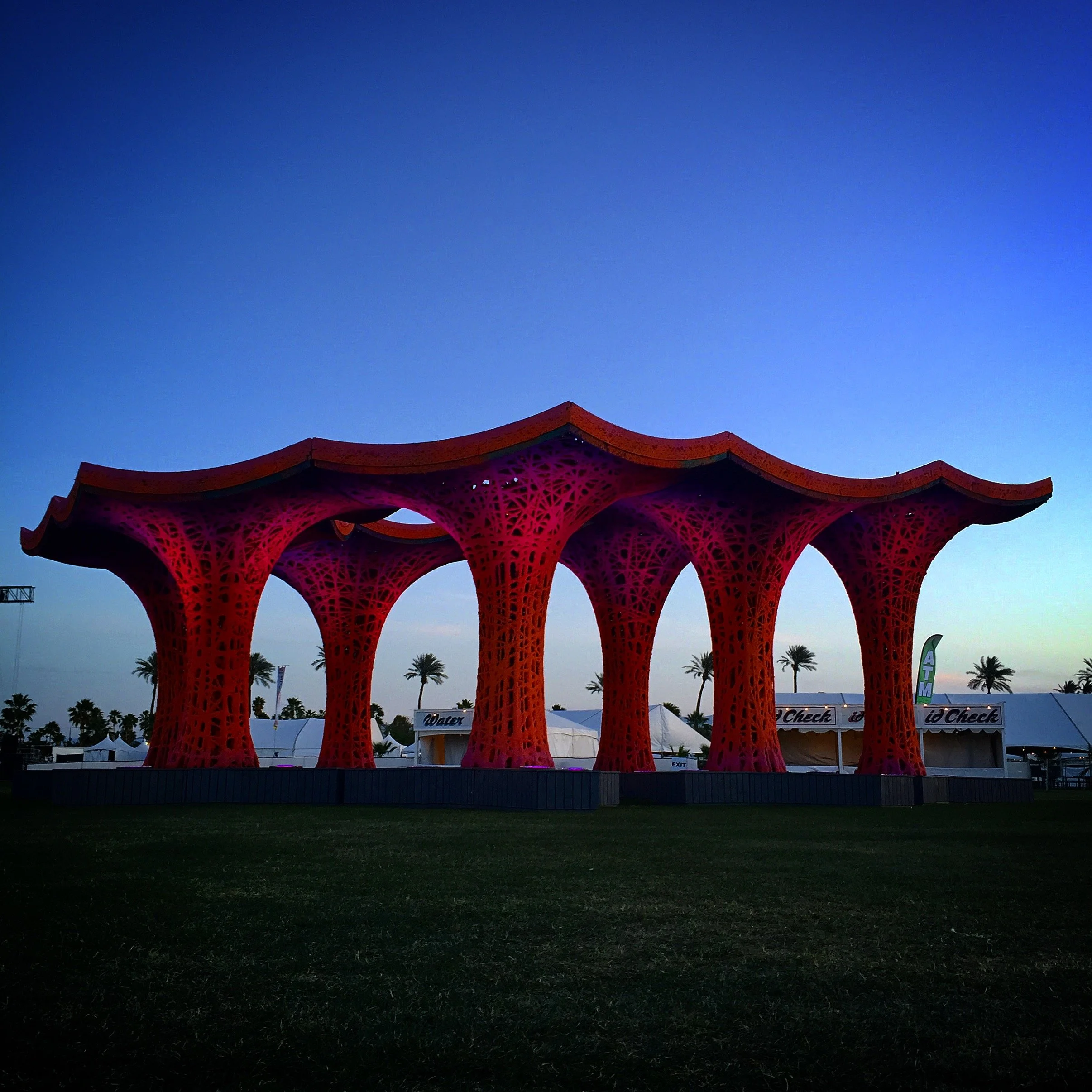
Built from reclaimed paper and designed to both stand and bend, this collaboration with Ball-Nogues Studio brought both engineering and play to the vibrant Coachella Valley Music and Arts Festival.
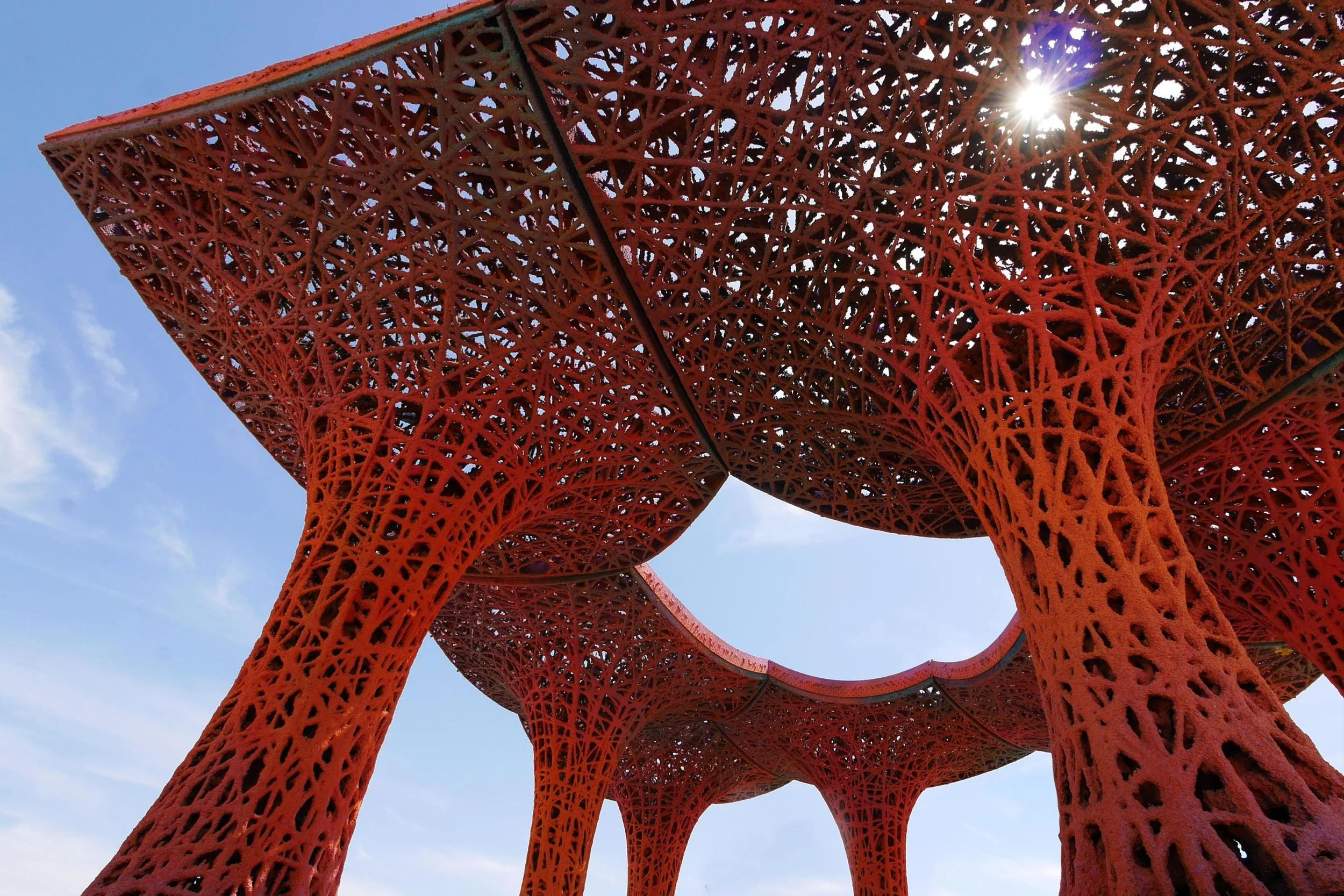
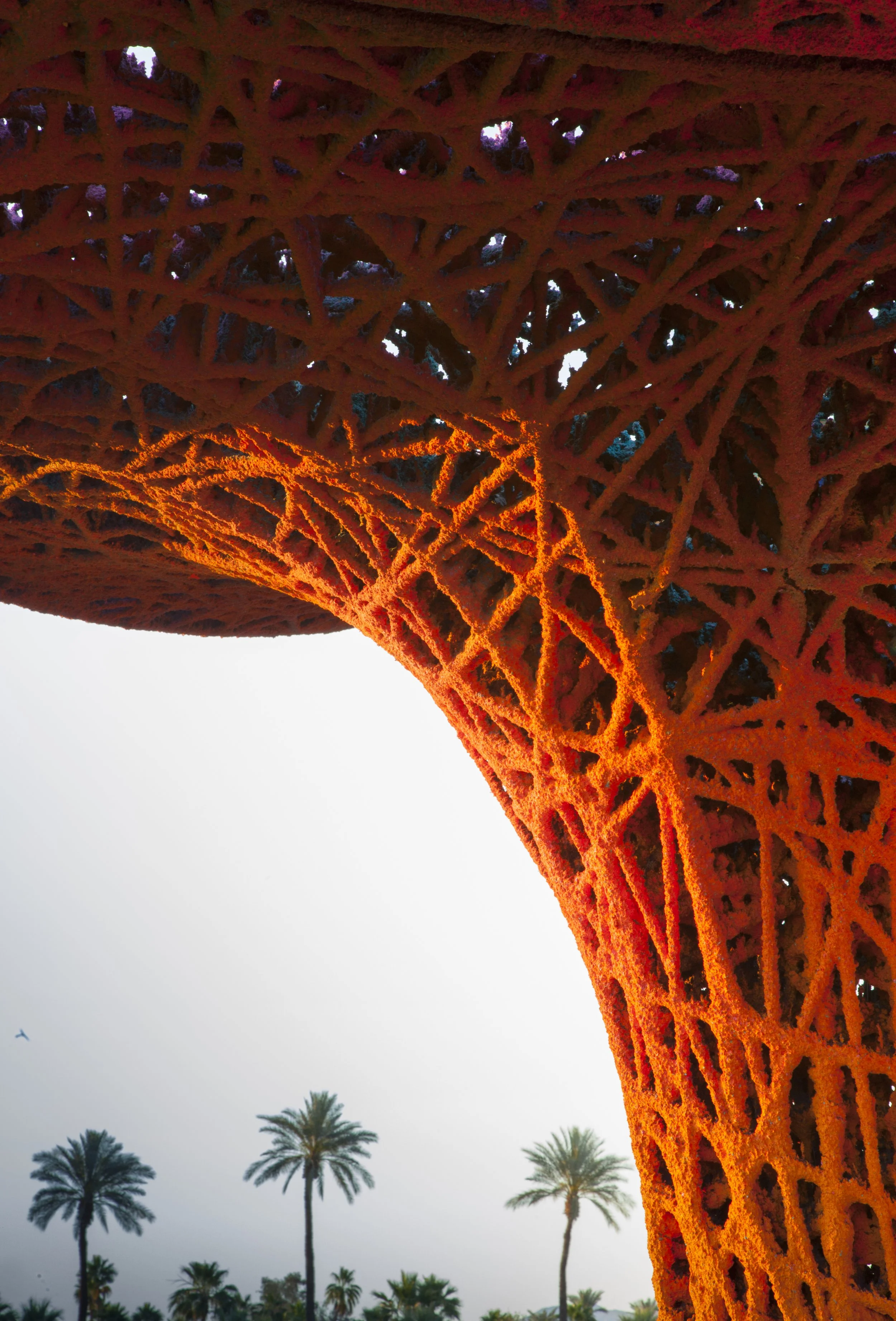
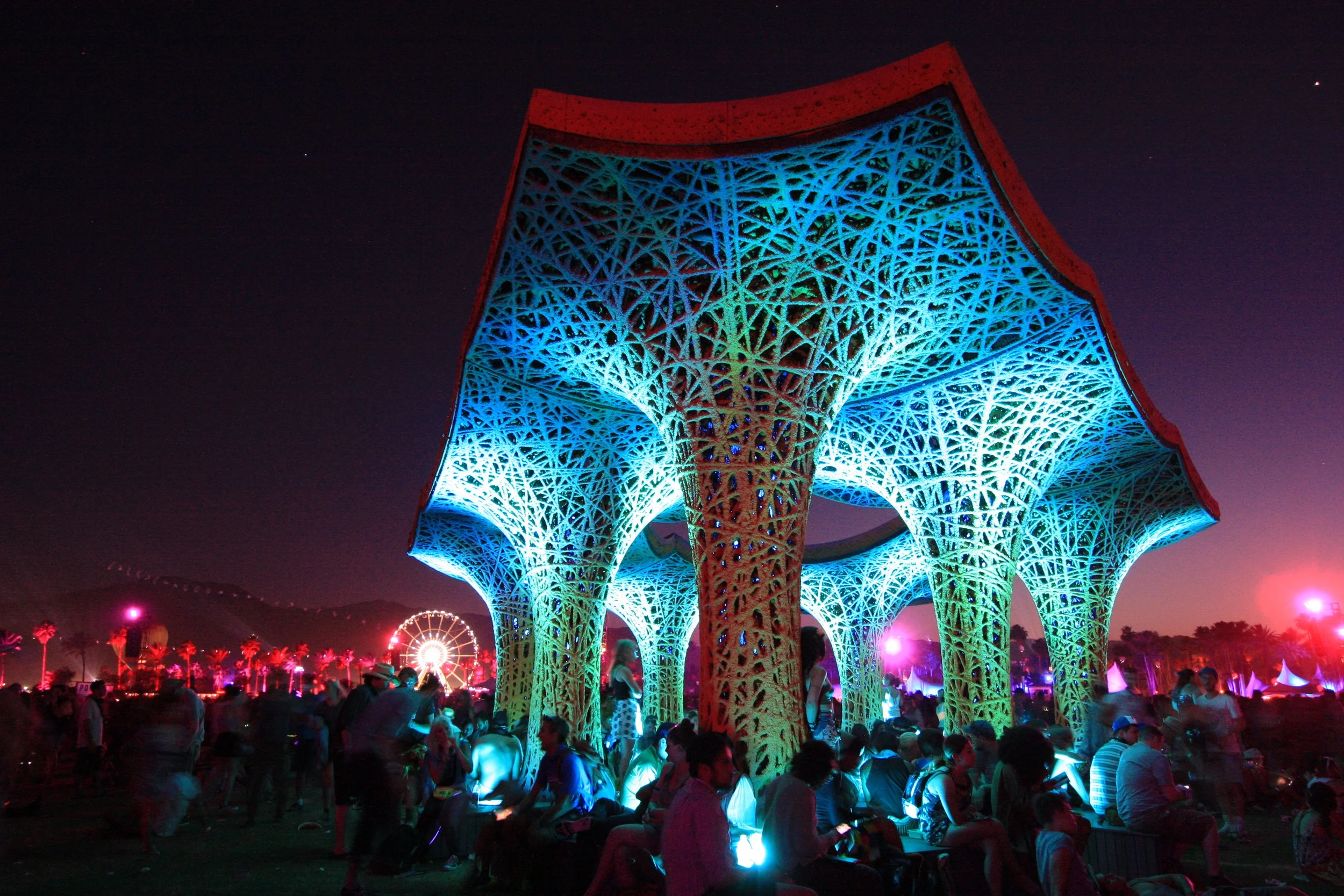
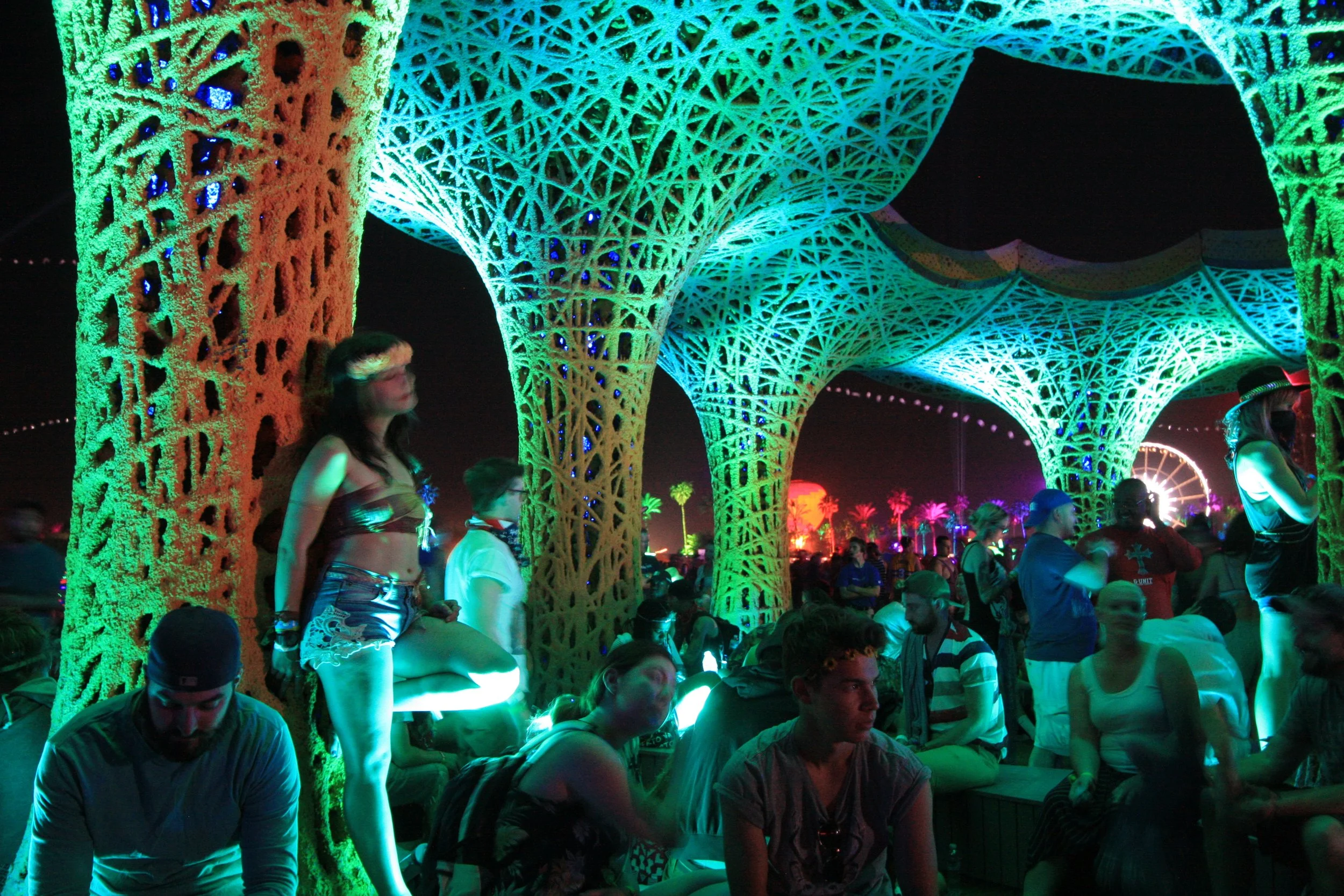
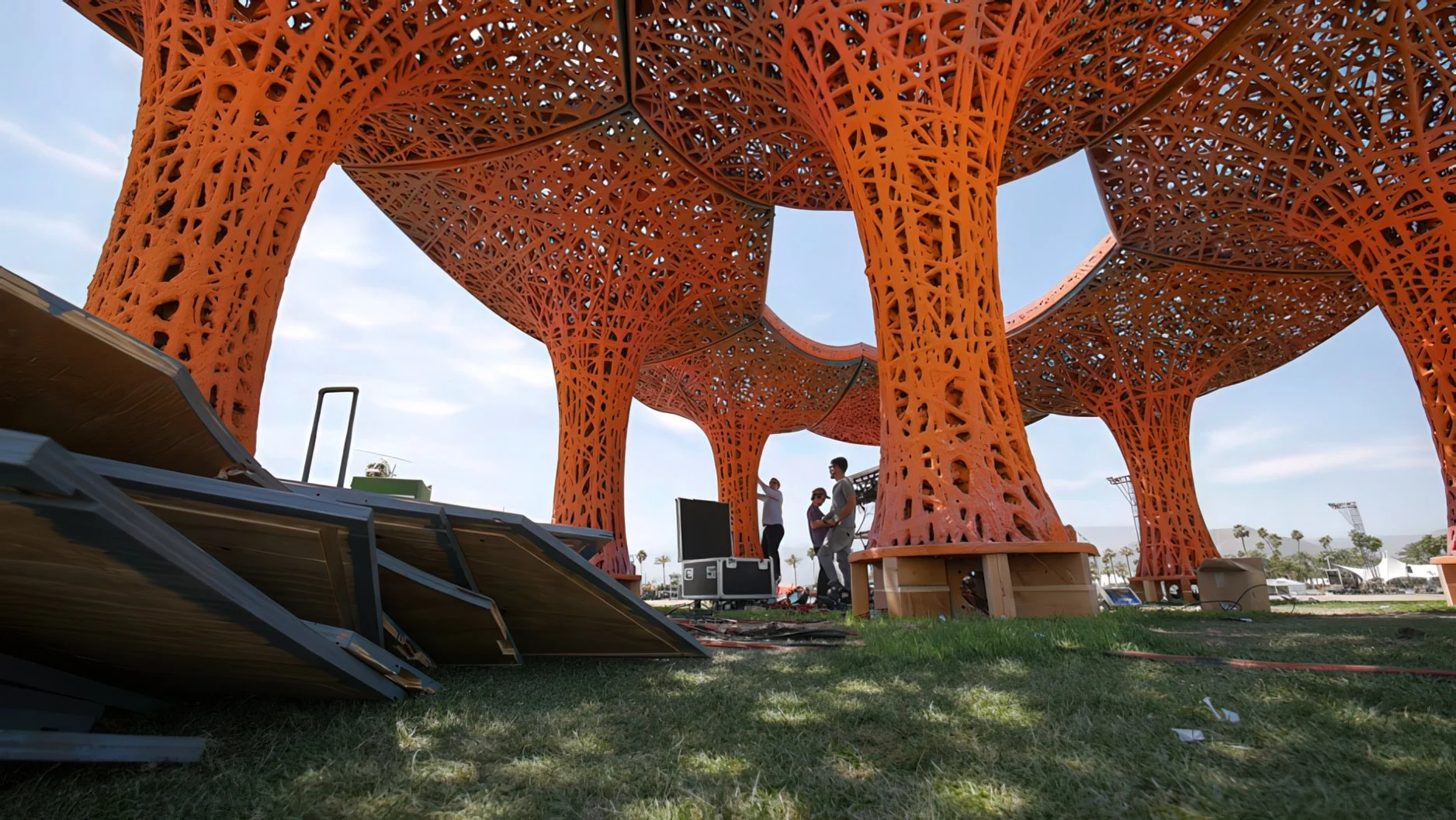
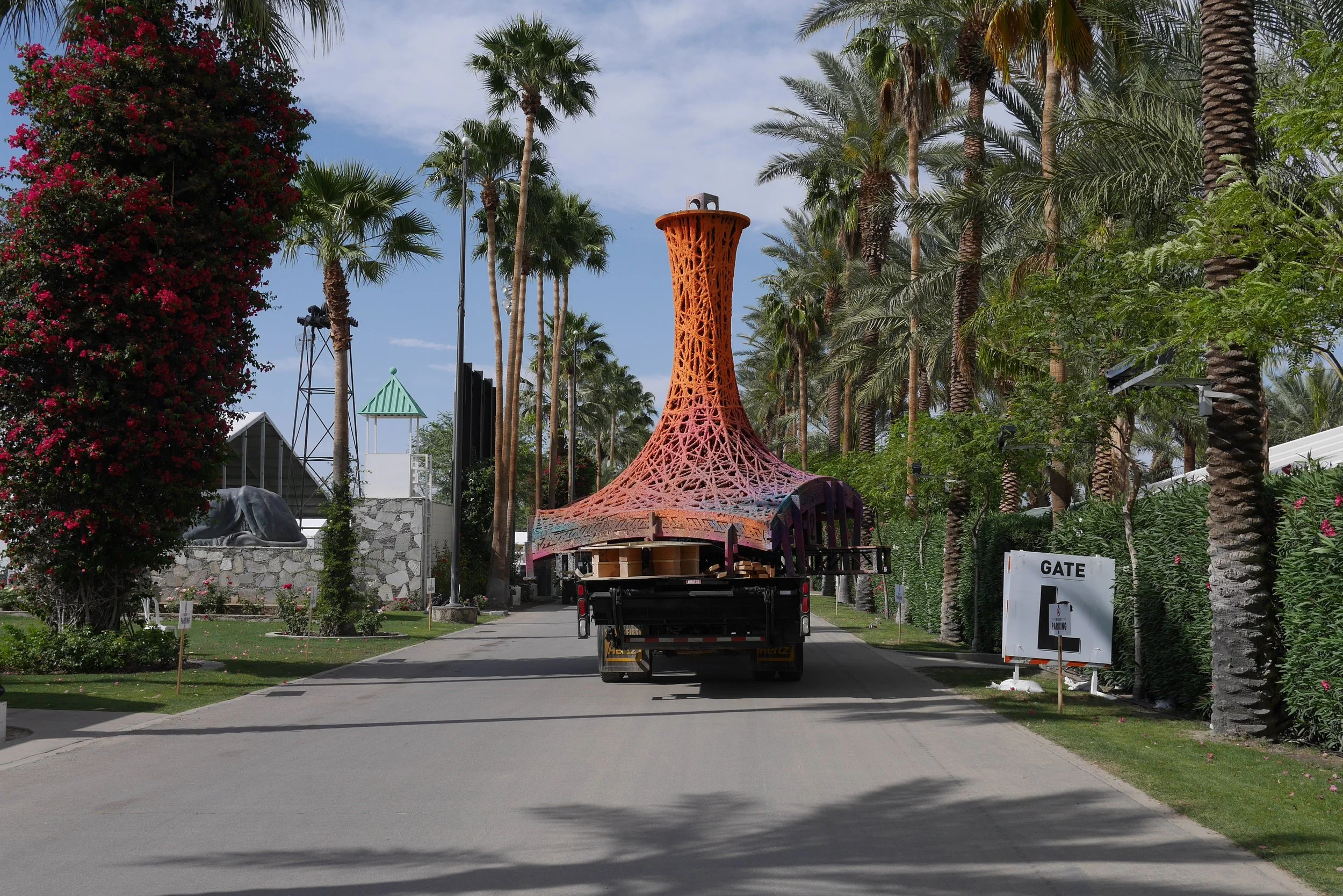
Pulp Pavilion, the culmination of five years’ worth of experiments with material composites using reclaimed paper, was a gathering space for the Coachella Valley Music and Arts Festival, a respite from the sun and frenetic energy and an ideal place from which to view performances on two stages.
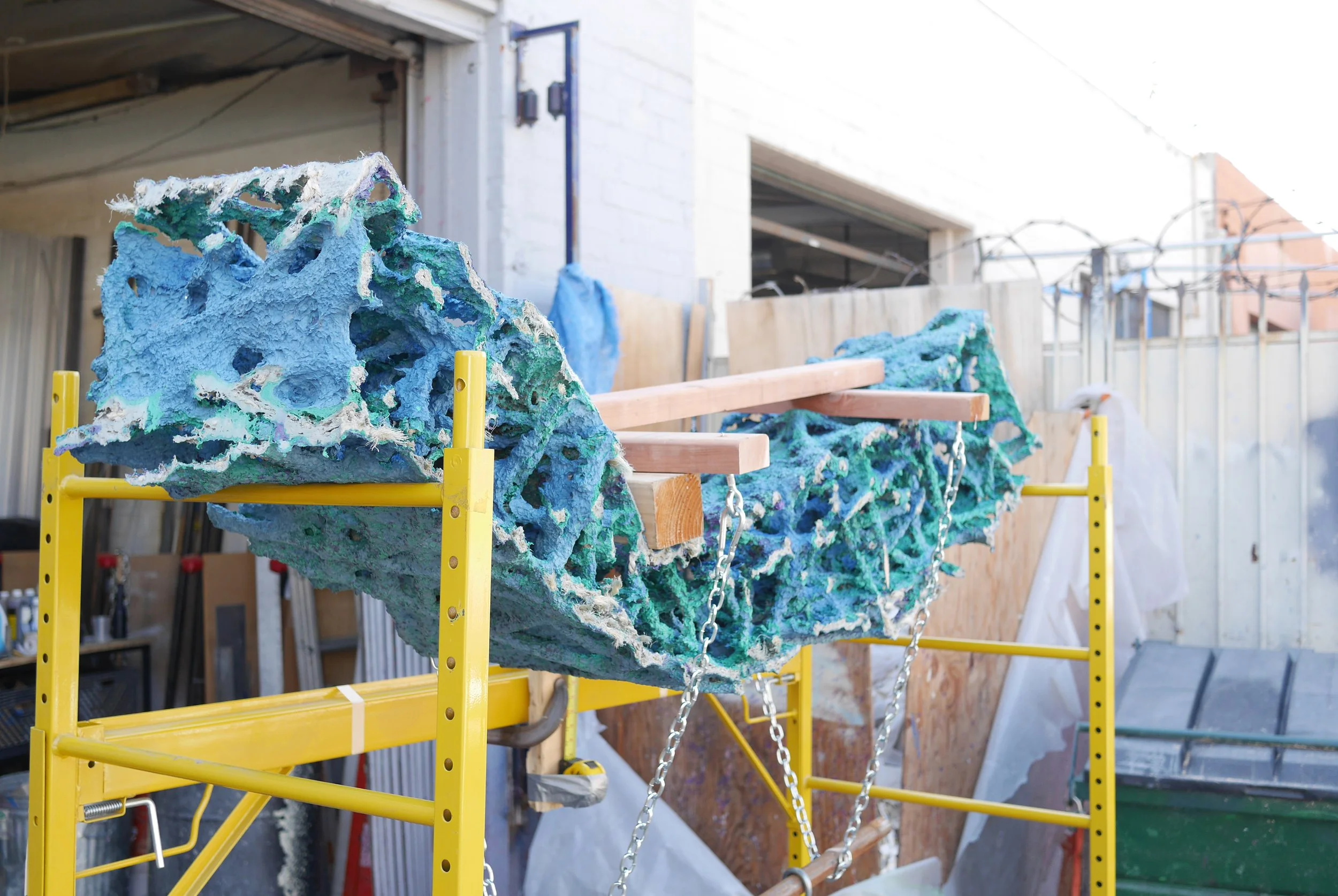
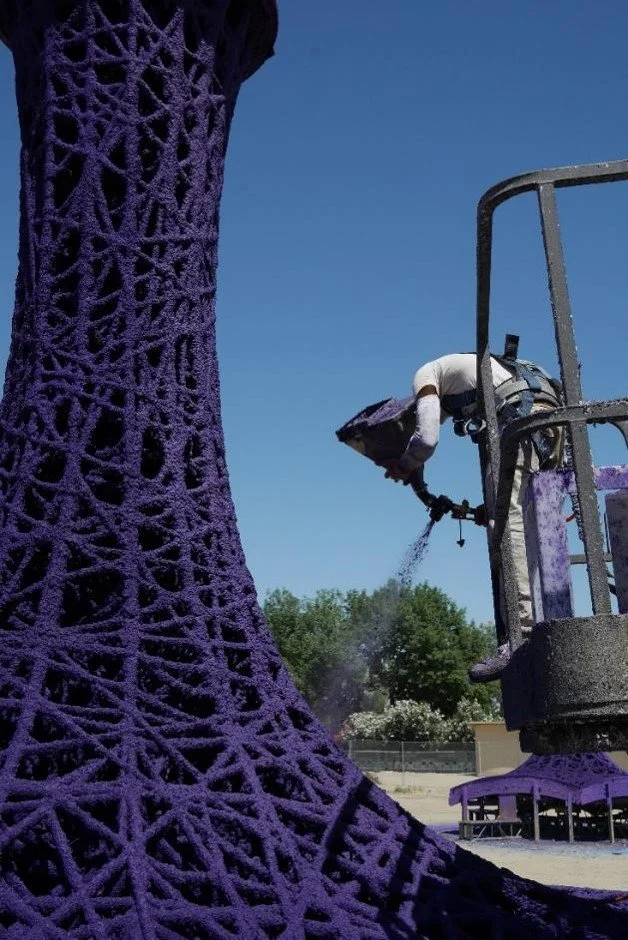
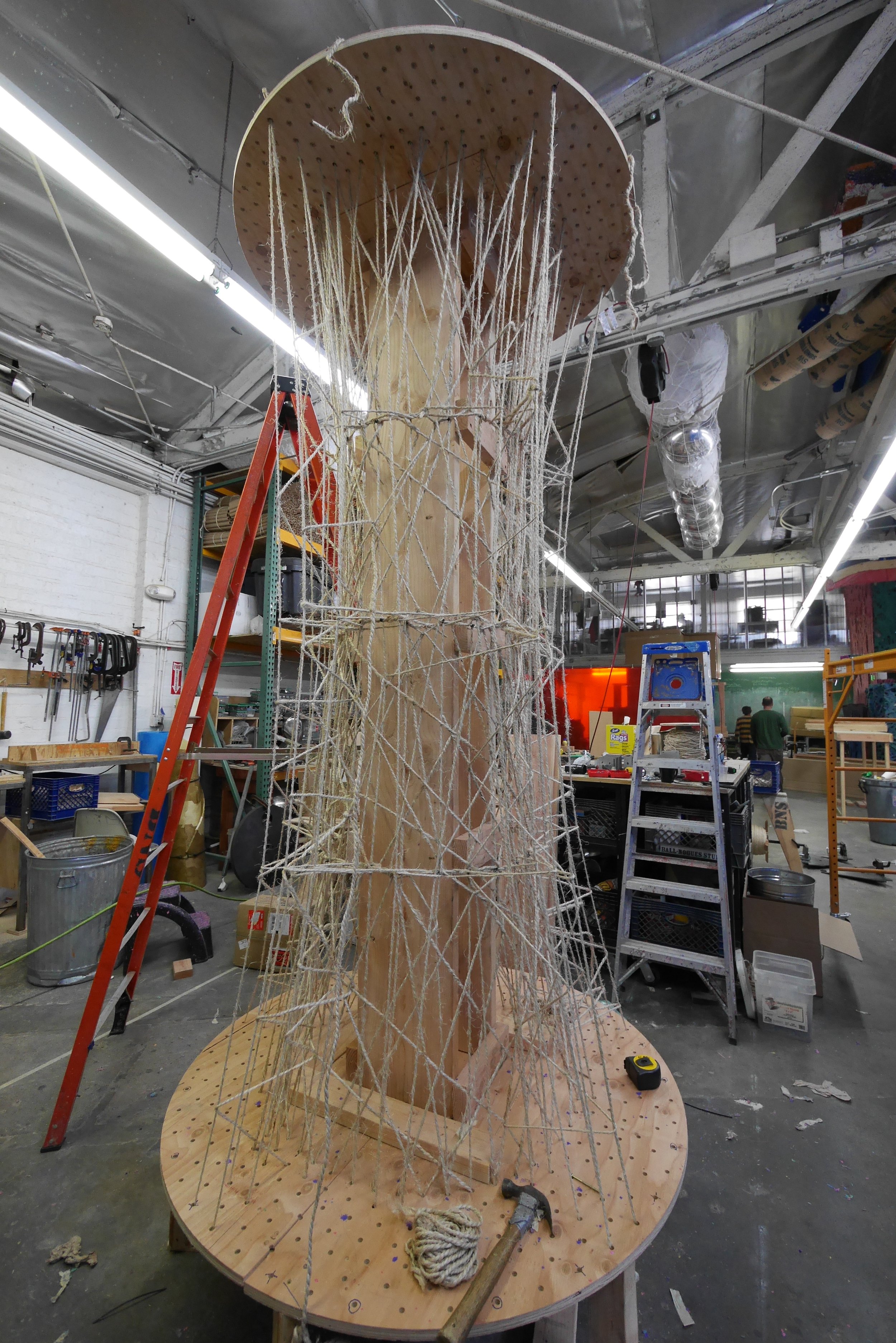
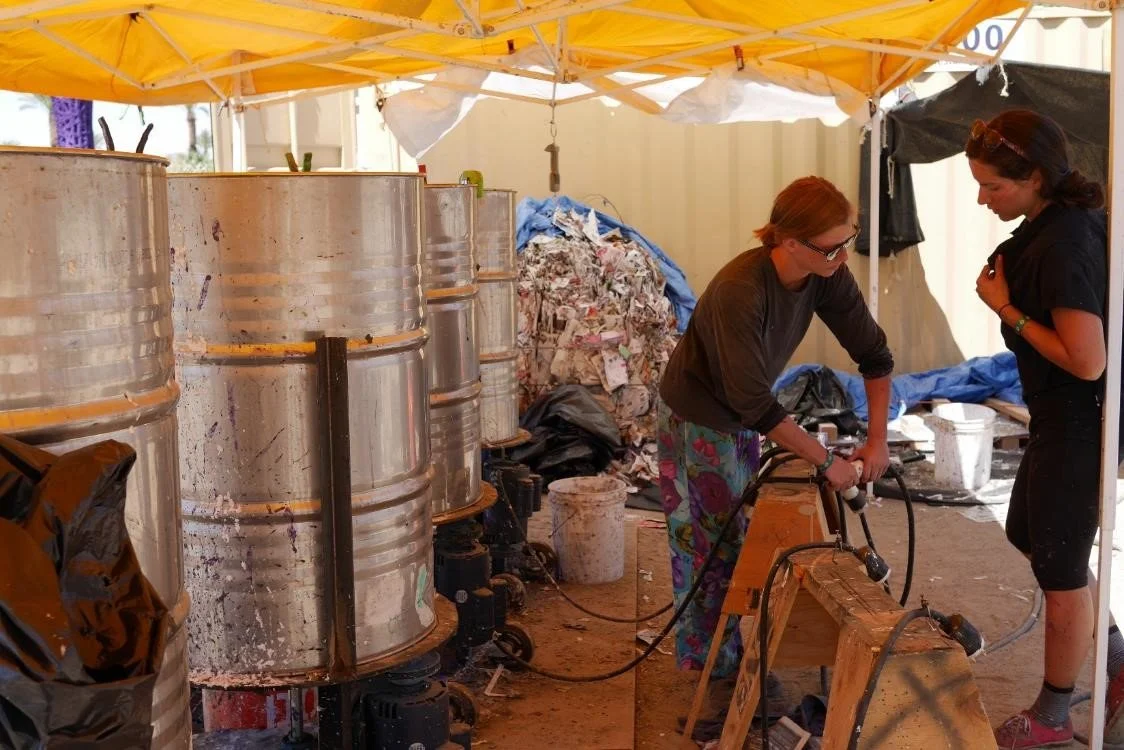
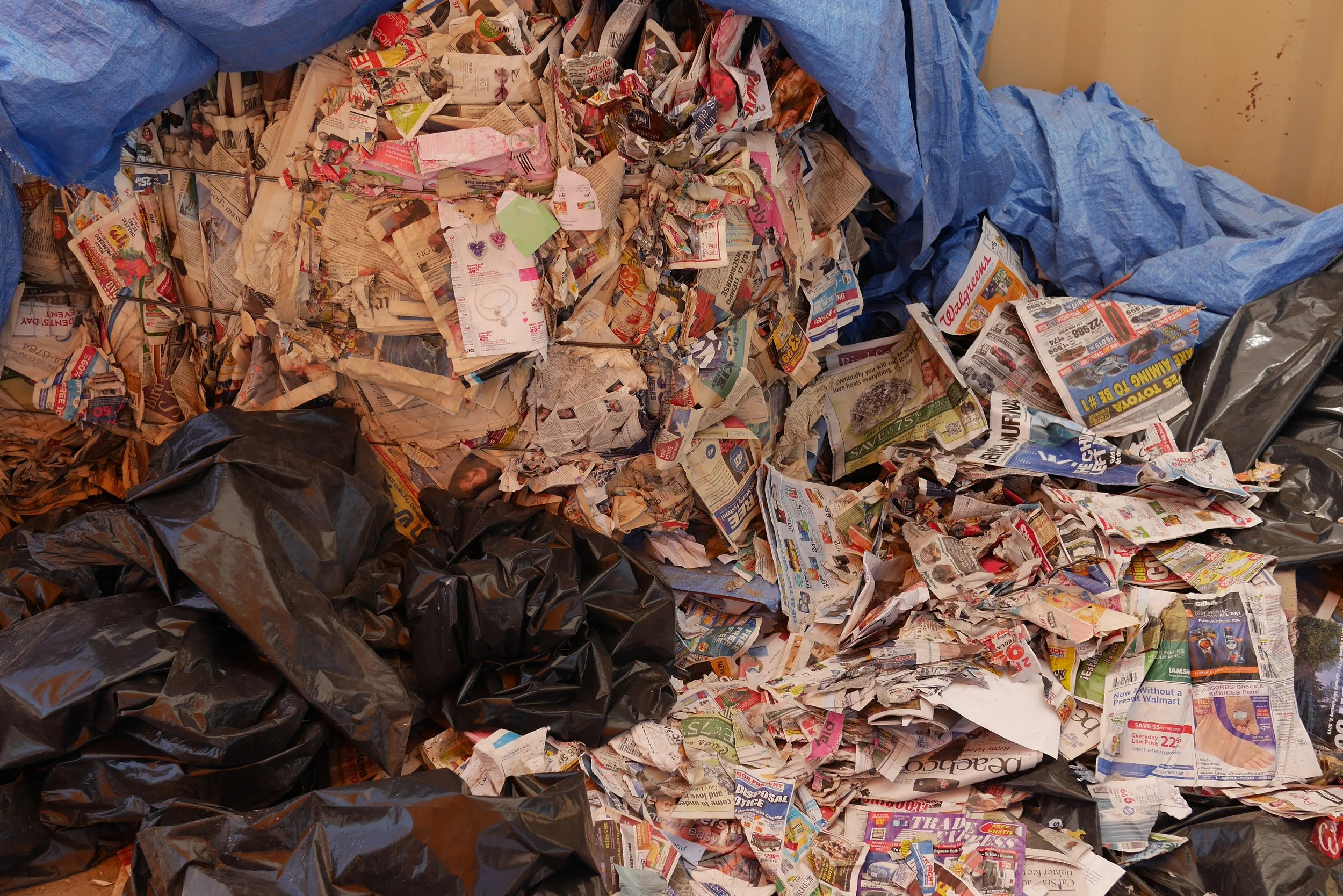
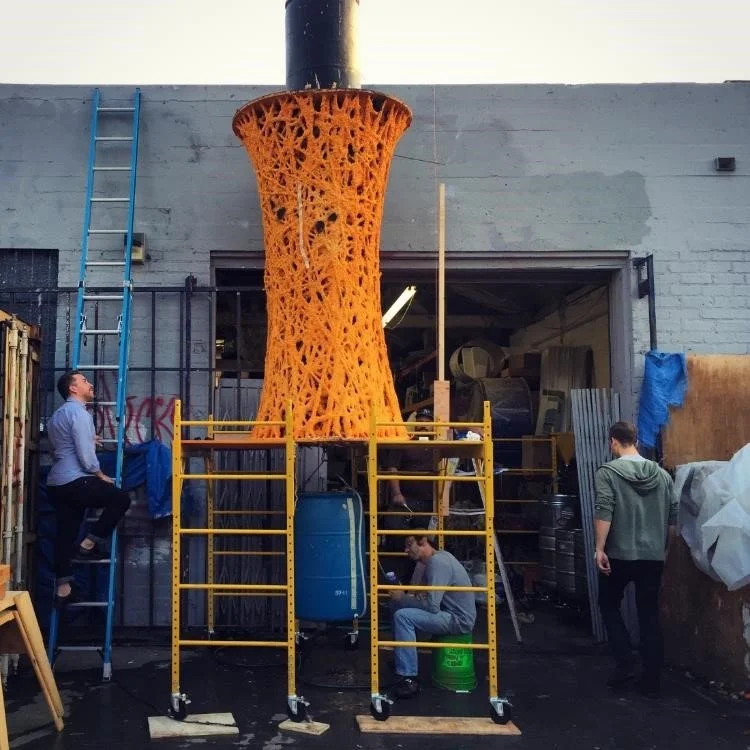
To achieve its singular form, we devised an innovative construction system that applied paper pulp to a rope structure. Historically inapplicable to architectural structures and widely considered disposable, paper exhibits unique sculptural capabilities when recycled into pulp. To create the pavilion, a blend of pulp, water, and pigment was sprayed onto a three-dimensionally woven lattice of natural rope and then left to harden into a rigid, self-supporting matrix much lighter than materials of comparable strength. Because we sourced chemical-free paper pulp, the installation could be recycled or composted once the two-week festival concluded.
Location
Indio, CA USA
Client
Coachella Valley Music and Arts Festival
Architect
Ball-Nogues Studio
Staff Lead
Omar Garza, SE
Completed
2015
Size
1,300 SF
Recognition
SEAOSC Excellence in Structural Engineering, Special Structures
NCSEA Excellence in Structural Engineering Award
Architect Magazine R+D Award
Dezeen, “Pavilion Made from Recycled Paper Installed at Coachella Festival”
ArchDaily, “Pulp Pavilion / Ball-Nogues Studio”
Challenges
Sustainability, unusual material, temporary structure
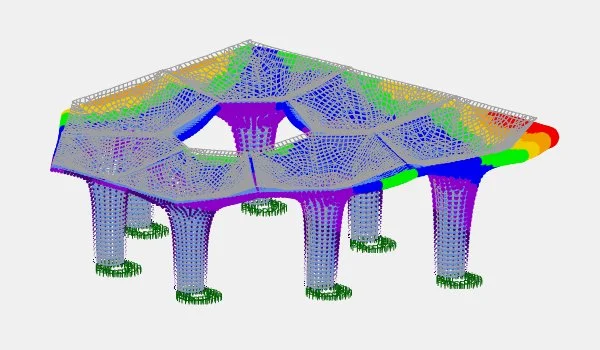
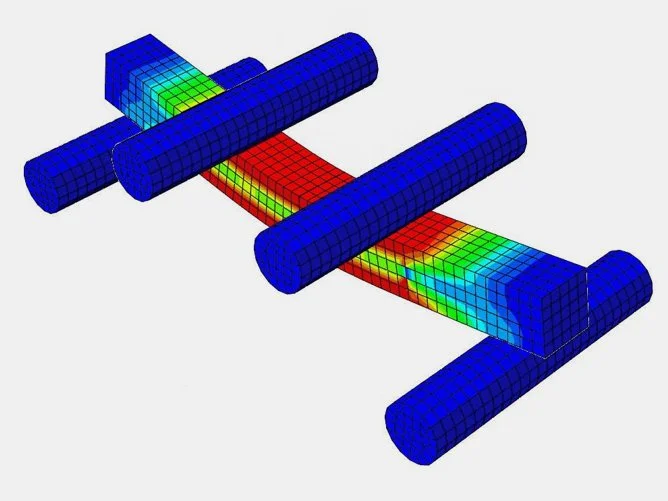
This construction system had no known precedent, so experimental testing was essential. Early on, we used several computational form-finding studies to determine the structure’s minimum required surface. Then, we needed to understand the limits of the reclaimed-paper composite material within a built structure. We created simple beam-and-column prototypes in order to determine bending and compression strengths as well as stiffness. The knowledge of the material’s mechanical properties we gained through this testing led to the creation of an element structural analysis model, and the structure was then subjected to anticipated wind and human loading cases.
Through analytical experimentation, we were able to determine acceptable thicknesses and geometries for the final construction. By gathering empirical results from small-scale experiments and extrapolating them into design criteria for the final form, we were able to successfully predict the behavior of the structure under anticipated loads.
The result is a structure unlike any other and a pavilion that captures the unique and ebullient spirit of Coachella.